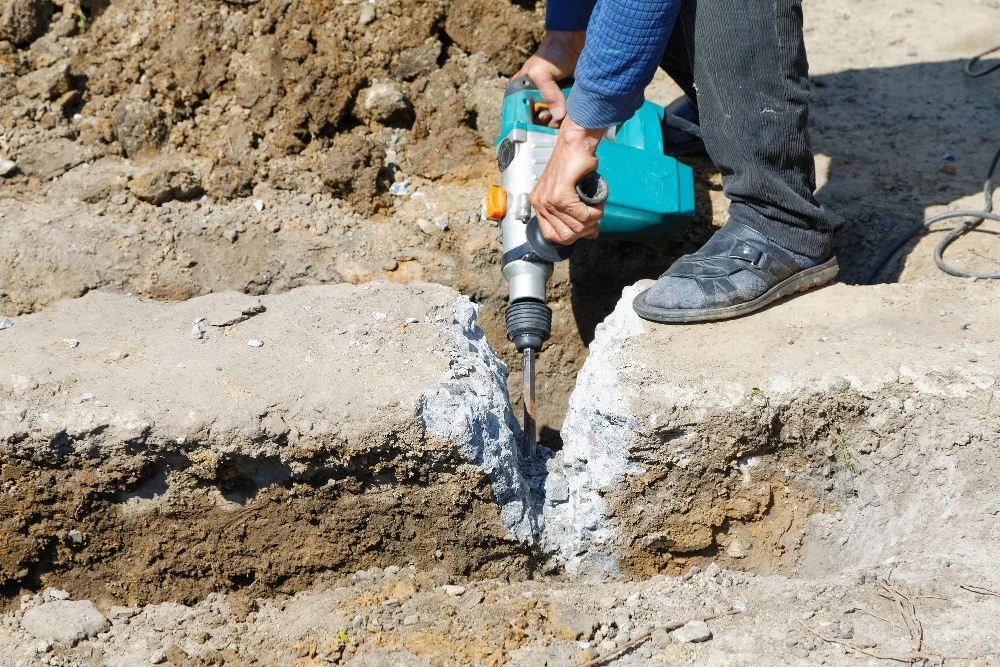
House leveling is a crucial aspect of maintaining the structural integrity of a home. Over time, natural factors such as soil erosion, water drainage issues, and temperature fluctuations can cause buildings to settle unevenly, leading to cracks in walls, sloping floors, and even doors and windows that don?t shut properly. Professional house leveling services are essential in addressing these issues, ensuring homes remain safe, functional, and aesthetically pleasing. This article delves into the importance of house leveling, the processes involved, and how to choose a reliable service provider.
The Importance of House Leveling
House leveling is not just about aesthetics; it is a significant factor in maintaining the safety and longevity of a building. Uneven foundations can lead to:
- Structural damage: Cracks in walls and ceilings can compromise the strength of a building.
- Property devaluation: A visibly uneven house can decrease in market value.
- Increased repair costs: Delaying house leveling can lead to more extensive and expensive repairs.
Addressing these concerns promptly can prevent further damage and maintain the value of a property. Discover expert strategies here to understand how timely intervention can save costs in the long run.
Understanding the House Leveling Process
Professional house leveling involves several steps that require expertise and precision. The process typically includes:
Initial Assessment
A thorough inspection is necessary to determine the extent of the uneven settlement and identify underlying causes. This involves evaluating the foundation, checking for visible cracks, and assessing the soil condition.
Choosing the Right Method
Based on the assessment, professionals decide the most suitable method for leveling the house. Techniques may include:
- Slab Jacking: This method involves pumping a cement mixture beneath a sunken slab to raise it back to its original position.
- Piering: Steel piers are driven into the ground to stabilize and lift the foundation.
- Helical Piers: These are used in areas with unstable soil conditions, providing a robust solution by anchoring the foundation to deeper, more stable strata.
Each method has its advantages and suitability depending on the specific circumstances of a property. Learn about our tailored solutions to determine which method is best for a particular situation.
Execution and Monitoring
Once the appropriate method is chosen, professionals carry out the leveling process with precision. Post-leveling, continuous monitoring ensures the foundation remains stable and no further adjustments are necessary.
Choosing a Professional House Leveling Service
Selecting the right service provider is crucial for effective house leveling. Here are key considerations:
- Experience and Expertise: Look for providers with a proven track record and extensive experience in foundation repair.
- Comprehensive Services: Choose a company that offers a range of solutions tailored to different foundation issues.
- Customer Reviews and Testimonials: Review feedback from previous clients to gauge the quality of services.
- Licensing and Insurance: Ensure the provider is licensed and insured to protect against potential liabilities.
For more guidance on selecting a reliable service provider, Explore advanced guides and tips to make an informed decision.
Conclusion
House leveling is a critical service for maintaining the structural health of a home. By addressing foundation issues promptly with professional leveling services, homeowners can prevent extensive damage, ensure safety, and preserve property value. Whether considering slab jacking, piering, or helical piers, understanding the process and selecting a trusted provider are essential steps. Find out more about this approach to keep homes in top condition and secure a sound investment.
About the Author