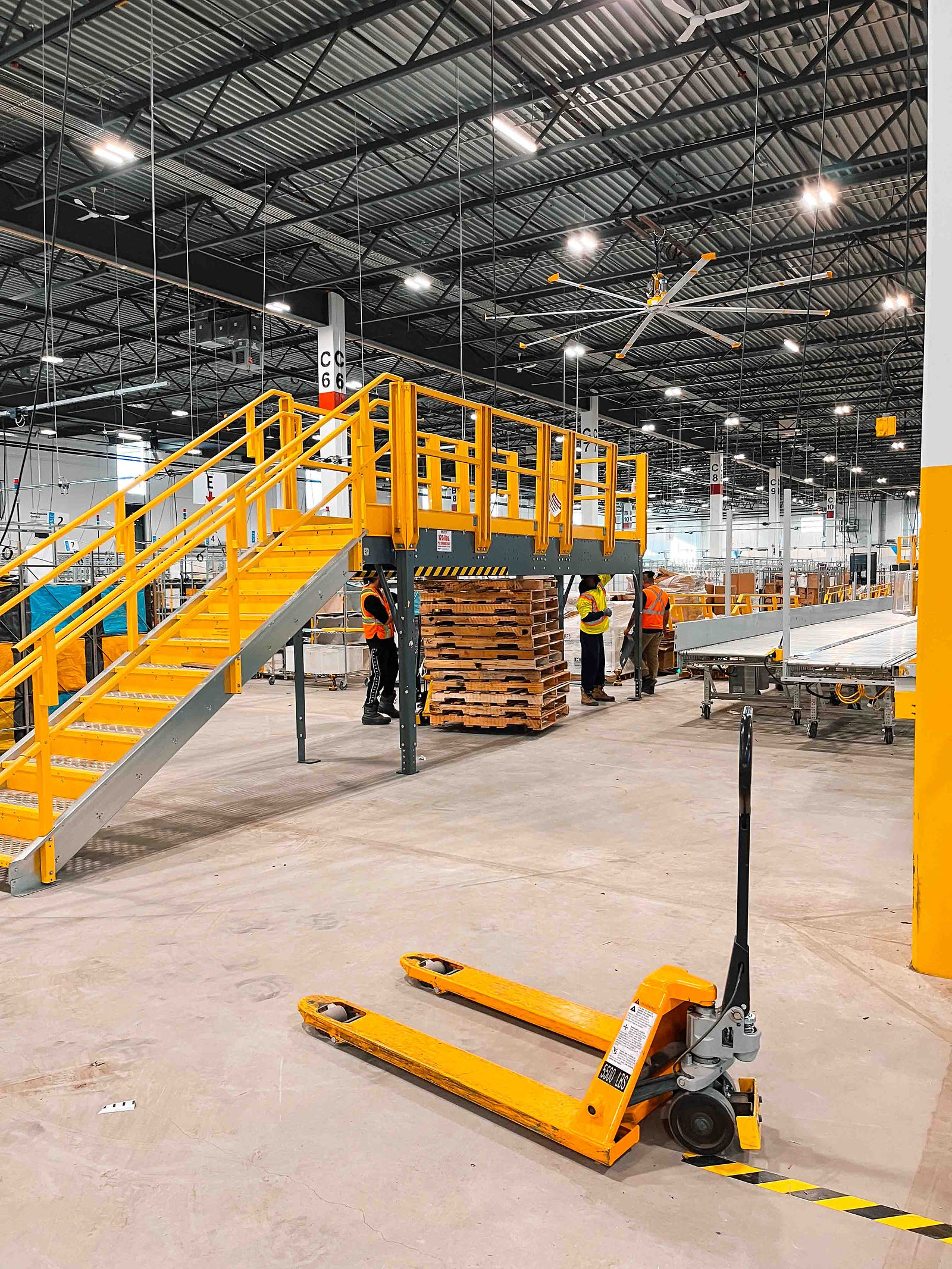
In the dynamic landscape of commercial construction, the focus on efficiency, sustainability, and innovation has become paramount. Streamlining commercial construction services is not merely about improving speed but also enhancing quality and reducing costs through strategic practices. This article delves into the critical aspects of streamlining these services to meet the demands of modern infrastructure development.
Understanding the Need for Streamlining
Efficiency in commercial construction is driven by the need to meet tight deadlines, adhere to budget constraints, and reduce environmental impact. The construction industry faces challenges such as labor shortages, technological advancements, and evolving regulatory requirements. Streamlining processes helps address these issues by:
- Reducing project timelines and costs.
- Improving resource management and allocation.
- Enhancing communication and collaboration among stakeholders.
- Minimizing waste and promoting sustainability.
For a comprehensive understanding of these challenges and solutions, read more about this topic.
Implementing Technology for Enhanced Efficiency
Adoption of Building Information Modeling (BIM)
Building Information Modeling (BIM) has revolutionized the way commercial construction projects are designed and executed. By creating detailed 3D models, BIM facilitates better planning and visualization, leading to improved decision-making. Key benefits of BIM include:
- Enhanced collaboration among architects, engineers, and contractors.
- Improved accuracy in cost estimation and project scheduling.
- Reduction in design errors and rework.
Learn more in this detailed guide about the implementation of BIM in construction.
Utilizing Construction Management Software
Construction management software provides a centralized platform for project tracking, budget management, and communication. By integrating various aspects of project management, these tools help streamline processes by:
- Automating administrative tasks and reducing paperwork.
- Providing real-time data and analytics for informed decision-making.
- Facilitating seamless communication among team members.
Explore further insights here on how technology is transforming construction management.
Emphasizing Sustainability in Construction Practices
Incorporating sustainable practices in commercial construction not only addresses environmental concerns but also enhances project efficiency. Sustainable construction involves:
- Using eco-friendly materials and reducing waste.
- Implementing energy-efficient designs and systems.
- Promoting recycling and reusability of resources.
Find additional information here about sustainable construction practices.
Enhancing Workforce Skills and Collaboration
The human element in construction cannot be overlooked. Training and development are crucial for maintaining a skilled workforce capable of adapting to new technologies and methodologies. Effective workforce management includes:
- Regular training programs to upskill employees.
- Encouraging collaborative work environments.
- Implementing safety protocols to ensure worker well-being.
For further insights into workforce management strategies, explore further insights here.
Conclusion
Streamlining commercial construction services involves a holistic approach that integrates technology, sustainability, and human resource management. By focusing on these key areas, the construction industry can achieve greater efficiency, reduce costs, and meet the growing demands for quality infrastructure. The journey towards streamlined construction is ongoing and requires continuous adaptation to new trends and challenges.
About the Author