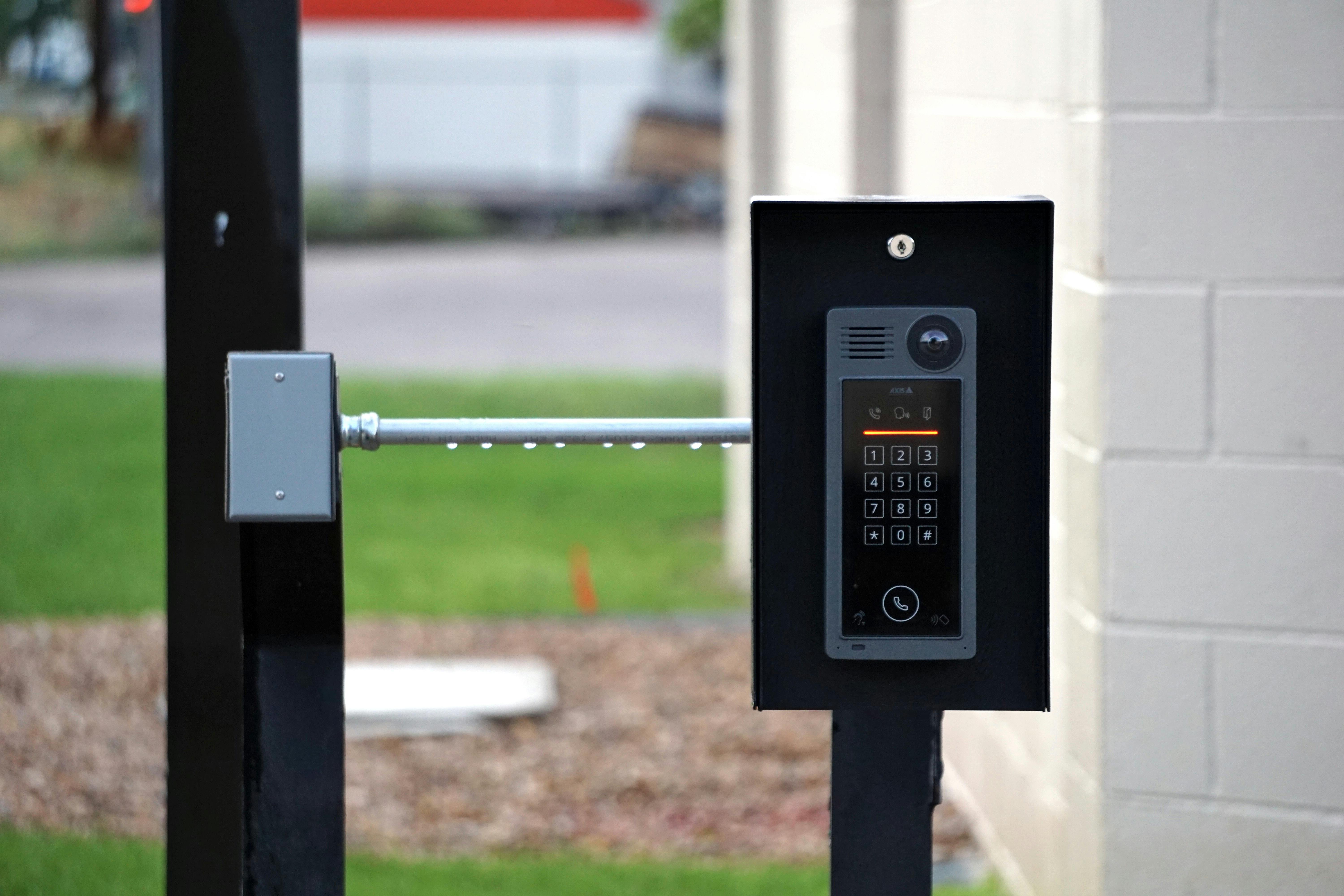
In today’s world, security cameras have become an essential component of a comprehensive security strategy. Whether for residential or commercial properties, these devices provide an added layer of protection against theft, vandalism, and other security threats. Proper installation is crucial to maximize their effectiveness. This article provides expert tips and guidelines for security camera installation, ensuring optimal performance and coverage.
Choosing the Right Equipment
Before beginning the installation process, selecting the right equipment is paramount. Consider the following:
- Determine the type of camera needed: dome, bullet, or PTZ (pan, tilt, zoom).
- Choose between wired and wireless options based on installation feasibility and budget.
- Evaluate the camera’s resolution, field of view, and night vision capabilities.
- Consider additional features like motion detection and two-way audio.
For more insights on selecting the best equipment, discover expert strategies here.
Planning the Installation
Proper planning can significantly impact the effectiveness of your security system. Follow these steps:
- Identify key areas that require surveillance, such as entrances, exits, and high-value areas.
- Ensure the cameras cover blind spots and have minimal obstructions.
- Plan the wiring route if using wired cameras to avoid any potential hazards.
- Assess power supply options, ensuring they are secure and reliable.
To learn about our tailored solutions for camera placement and planning, find out more about this approach.
Installation Best Practices
Positioning and Mounting
Correct positioning and mounting are crucial for capturing clear and comprehensive footage. Consider these tips:
- Mount cameras at a height of 8 to 10 feet to prevent tampering and ensure a wide field of view.
- Aim cameras slightly downward to capture faces and details more effectively.
- Use weatherproof casings for outdoor cameras to protect against environmental elements.
Explore advanced guides and tips on mounting techniques here.
Testing and Calibration
After installation, testing and calibration are necessary to ensure optimal performance:
- Check the camera’s live feed to confirm that all areas of interest are covered.
- Adjust the camera’s angle and focus to avoid any blurry or obstructed views.
- Test the night vision capabilities in low-light conditions.
- Ensure that all cameras are integrated with the recording system and can be accessed remotely if required.
For more detailed information on testing procedures, explore advanced guides and tips.
Regular Maintenance
Routine maintenance ensures that your security cameras remain functional and reliable over time:
- Regularly clean the camera lenses to avoid smudges and dirt buildup.
- Check all connections and power supplies for any signs of wear or damage.
- Update the camera firmware to benefit from any new features or security patches.
- Periodically review and adjust camera angles as the environment or requirements change.
For ongoing maintenance strategies, learn about our tailored solutions.
Implementing these expert tips for security camera installation will help ensure that your security system is effective and reliable. Whether you’re protecting a home or business, proper planning, installation, and maintenance are key to achieving peace of mind and security.
About the Author