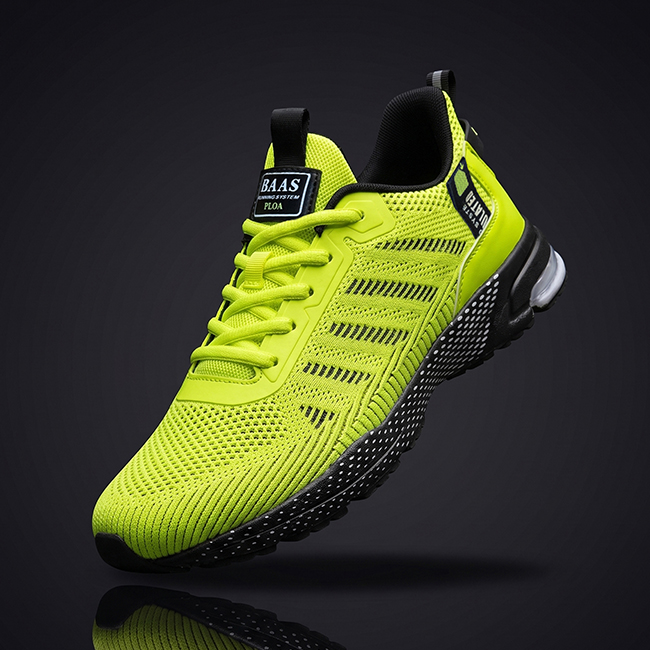
In the fast-paced world of digital marketing and e-commerce, standing out from the competition is more crucial than ever. A compelling way to achieve this is by presenting products in stunning 3D renderings. These realistic visualizations offer potential customers an immersive experience that can significantly enhance the decision-making process. By leveraging sophisticated rendering techniques, businesses can showcase their products with precision and creativity, capturing the attention and imagination of their target audience. This article explores the advantages of using 3D renderings, the process involved, and how they can elevate a brand’s online presence.
Advantages of 3D Product Renderings
Utilizing 3d product rendering services offers numerous advantages, transforming how products are perceived and marketed online. Some key benefits include:
- Enhanced Visualization: 3D renderings provide a detailed and accurate representation of products, allowing customers to view them from multiple angles and in various settings.
- Cost-Effective: Unlike traditional photography, which can be expensive and time-consuming, 3D rendering offers a cost-effective solution for creating high-quality images.
- Customization: Products can be easily customized in terms of color, texture, and design, offering a personalized experience for customers.
- Consistency: Ensures consistent quality and style across all product images, strengthening brand identity.
- Scalability: As product lines expand, additional renderings can be produced quickly without the need for a new photoshoot.
The Process of Creating 3D Renderings
Creating stunning 3D renderings involves a meticulous process that combines technical expertise and creative vision. Here are the key steps involved:
Conceptualization and Design
The process begins with understanding the product and its unique features. This involves collaboration between designers and clients to ensure that the final render aligns with the brand’s vision. The 3d product rendering company often conducts thorough research to gather all necessary details, aiding in accurate and realistic depictions.
Modeling and Texturing
Using advanced software, the product is digitally modeled to create a 3D representation. Texturing is then applied to add realistic surface details, including color and material properties. This step is crucial for achieving the lifelike quality that 3D renderings are known for.
Lighting and Rendering
Proper lighting enhances the visual appeal of the product, highlighting its features and adding depth. After setting up the lighting, the rendering process begins, where the 3D model is transformed into a 2D image. This involves complex calculations to simulate real-world lighting and shading effects.
Applications of 3D Product Renderings
The applications of 3d product rendering extend beyond simple product images. They play a significant role in various industries, including:
- E-commerce: Enhancing product listings with detailed and interactive visuals.
- Architecture: Providing realistic previews of buildings and interiors.
- Automotive: Offering virtual tours and detailed views of vehicle models.
- Fashion: Showcasing clothing and accessories with intricate details.
In cities known for innovation, such as Philadelphia, businesses are leveraging 3d rendering Philadelphia services to stay ahead in competitive markets.
Conclusion
Incorporating 3D renderings into a marketing strategy is an effective way to captivate audiences and showcase products in their best light. With advancements in technology, the potential for 3d rendering product service continues to grow, offering exciting opportunities for businesses to elevate their brand and engage with customers on a deeper level. As the demand for high-quality visual content rises, embracing 3D rendering can be a pivotal step in achieving marketing success.
About the Author


