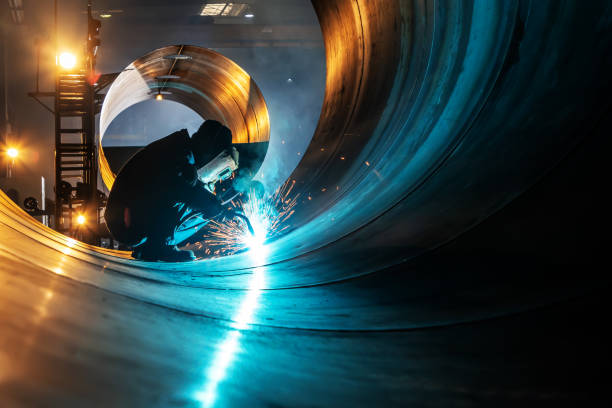
Melbourne, a bustling metropolis known for its vibrant arts scene and diverse culture, is also a hub for industrial innovation, particularly in metal fabrication. This industry plays a crucial role in the city’s economy, providing essential components for various sectors, including construction, automotive, and aerospace. Metal fabrication involves several processes, from cutting and bending to assembling and finishing metal structures. This comprehensive overview delves into the intricacies of metal fabrication in Melbourne, highlighting the techniques, materials, and applications that define this vital industry.
Understanding Metal Fabrication
Metal fabrication is the process of constructing machines and structures from raw metal materials. This involves a variety of techniques and processes, each critical to achieving the desired final product.
Key Processes in Metal Fabrication
- Cutting: This is the initial step where raw metal is cut into the desired shape or size using tools like lasers, plasma torches, or water jets.
- Bending: After cutting, the metal is bent to form the required shape. This is often achieved through the use of press brakes and other machinery.
- Assembling: The final stage involves assembling the fabricated parts to create the finished product. This can include welding, riveting, or using adhesives.
For more details on these processes, read more about this topic.
Materials Used in Metal Fabrication
The choice of material is crucial in metal fabrication, as it determines the product’s durability, weight, and overall performance. Common materials include:
- Steel: Known for its strength and durability, steel is the most commonly used material in fabrication projects.
- Aluminum: Lightweight and resistant to corrosion, aluminum is ideal for projects requiring reduced weight without sacrificing strength.
- Stainless Steel: With its resistance to corrosion and aesthetic appeal, stainless steel is often used in projects where appearance is critical.
To explore more about material selection, explore further insights here.
Applications of Metal Fabrication
Metal fabrication is integral to a wide range of industries. Its applications can be seen in:
- Construction: Metal frameworks, beams, and panels are essential components in modern building construction.
- Automotive: Fabricated metal parts are used extensively in vehicle manufacturing, from body panels to engine components.
- Aerospace: The aerospace industry relies on fabricated metal for building aircraft bodies and intricate mechanical components.
Learn more in this detailed guide on metal fabrication applications.
Future of Metal Fabrication in Melbourne
The future of metal fabrication in Melbourne looks promising, with advancements in technology paving the way for more efficient and precise fabrication methods. Innovations such as automation, 3D printing, and advanced robotics are set to revolutionize the industry, offering new opportunities for growth and development.
For additional information on future trends, find additional information here.
In conclusion, metal fabrication in Melbourne is a dynamic and essential industry, contributing significantly to various sectors. As the city continues to evolve, so too will its metal fabrication capabilities, driven by technological advancements and a commitment to quality and innovation.
About the Author




