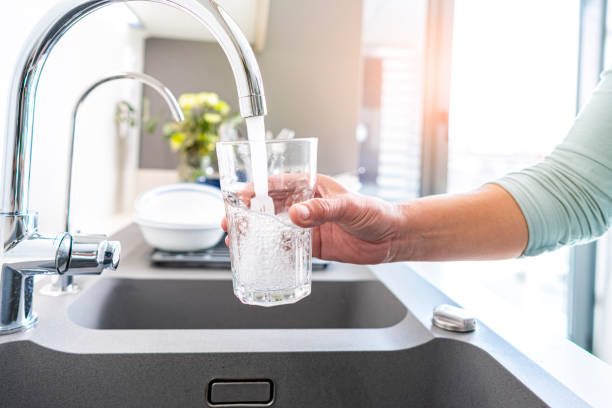
Ensuring access to pure, clean water is a priority for many households today. With increasing concerns about water quality, installing a reverse osmosis filter system has become a popular solution. This advanced filtration method effectively removes contaminants, providing safe drinking water directly from the tap. This article explores the installation process of a reverse osmosis system, highlights its benefits, and offers guidance for effective maintenance.
Understanding Reverse Osmosis
Reverse osmosis (RO) is a water purification technology that uses a partially permeable membrane to remove ions, unwanted molecules, and larger particles from drinking water. This method is renowned for its ability to eliminate contaminants such as:
- Lead
- Chlorine
- Nitrates
- Fluoride
- Arsenic
For those interested in the technical details and tailored solutions of reverse osmosis systems, learn about our tailored solutions.
Installation Steps
Preparation
Before diving into the installation process, it’s crucial to gather all necessary tools and components. Typically, an RO system includes the following:
- RO unit with filters
- Storage tank
- Faucet
- Feed water valve
- Drain saddle
Ensure that all components are present and in good condition before proceeding. For a detailed guide, explore advanced guides and tips.
Step-by-Step Installation
The installation process involves several key steps:
- Install the faucet: Locate a suitable spot on the sink or countertop for the faucet. Drill a hole if necessary and secure the faucet in place.
- Mount the RO unit: Choose a location under the sink to mount the RO unit. Ensure it’s easily accessible for future maintenance.
- Connect the water supply: Attach the feed water valve to the cold water line and connect the tubing to the RO unit.
- Drain connection: Install the drain saddle on the sink drainpipe. Connect tubing from the RO unit to the drain saddle.
- Connect the storage tank: Link the storage tank to the RO unit using the provided tubing. Make sure the tank valve is in the off position.
For expert strategies on installation, discover expert strategies here.
Benefits of Reverse Osmosis
Installing a reverse osmosis system offers numerous advantages:
- Provides high-quality drinking water
- Reduces harmful contaminants effectively
- Improves taste and odor of water
- Requires minimal maintenance
- Cost-effective in the long run
Find out more about this approach and how it can benefit your household.
Maintenance Tips
To ensure the longevity and efficiency of your reverse osmosis system, regular maintenance is essential:
- Replace filters every 6-12 months.
- Sanitize the system annually.
- Check for leaks periodically.
- Monitor water pressure and quality.
For in-depth maintenance tips, explore advanced guides and tips.
By following these guidelines, households can enjoy the benefits of pure and safe drinking water from a reverse osmosis system. This investment not only enhances water quality but also promotes overall health and well-being.
About the Author