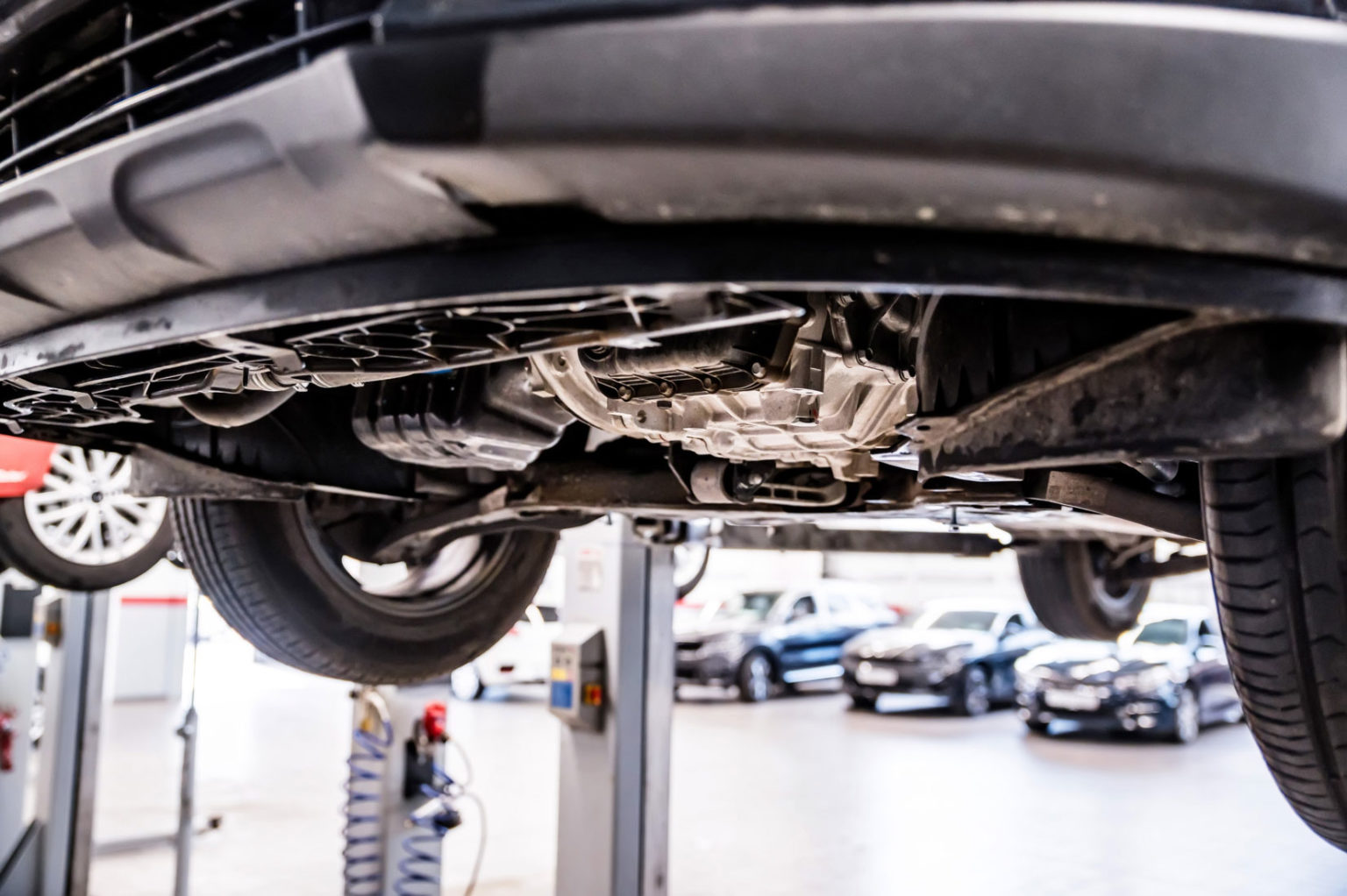
Every vehicle owner understands the importance of maintaining their car for optimal performance and safety. Among the various components that require regular attention, shock absorbers play a critical role. These components ensure a smooth ride by absorbing and damping the impact from road irregularities. Over time, shock absorbers wear out and need replacement to maintain vehicle stability and comfort. This guide provides an in-depth look into car shock absorber replacement, highlighting the signs of wear, the replacement process, and the benefits of professional services.
Understanding Shock Absorbers
Shock absorbers are vital components of a vehicle’s suspension system. They perform the following functions:
- Absorb and dampen road shocks.
- Maintain tire contact with the road surface.
- Ensure vehicle stability and control.
- Enhance ride comfort by reducing the impact of bumps and potholes.
Regular inspection and maintenance of shock absorbers are essential for vehicle safety and performance. Find out more about this approach to vehicle maintenance.
Signs of Worn Shock Absorbers
Recognizing the signs of worn shock absorbers is crucial for timely replacement. Key indicators include:
- Excessive bouncing after hitting a bump.
- Uneven tire wear.
- Leaking hydraulic fluid.
- Increased stopping distance.
- Nose diving during braking.
- Vibrations in the steering wheel.
Early detection of these symptoms can prevent further damage to the vehicle’s suspension system. Explore advanced guides and tips for identifying suspension issues.
Steps to Replace Shock Absorbers
Preparation
Before starting the replacement process, ensure you have the necessary tools and replacement parts. It’s advisable to consult the vehicle’s service manual for specific instructions. Safety should always be the top priority.
Replacement Process
The process of replacing shock absorbers generally involves the following steps:
- Secure the vehicle on a level surface and engage the parking brake.
- Loosen the lug nuts and lift the vehicle using a jack.
- Remove the wheel to access the shock absorber.
- Disconnect the old shock absorber from the suspension system.
- Install the new shock absorber, ensuring it is securely fastened.
- Reattach the wheel and lower the vehicle.
- Tighten the lug nuts to the manufacturer’s specifications.
Replacing shock absorbers can be a complex task, and professional assistance may be beneficial. Discover expert strategies here for professional shock absorber replacement services.
Benefits of Professional Shock Absorber Replacement
Engaging professional services for shock absorber replacement offers several advantages:
- Expertise and experience in handling various vehicle models.
- Access to advanced tools and equipment.
- Assurance of high-quality and compatible replacement parts.
- Time-saving and convenience.
- Comprehensive inspection of the suspension system.
Professional services ensure the job is done correctly, enhancing vehicle safety and performance. Learn about our tailored solutions for maintaining your vehicle’s suspension.
About the Author