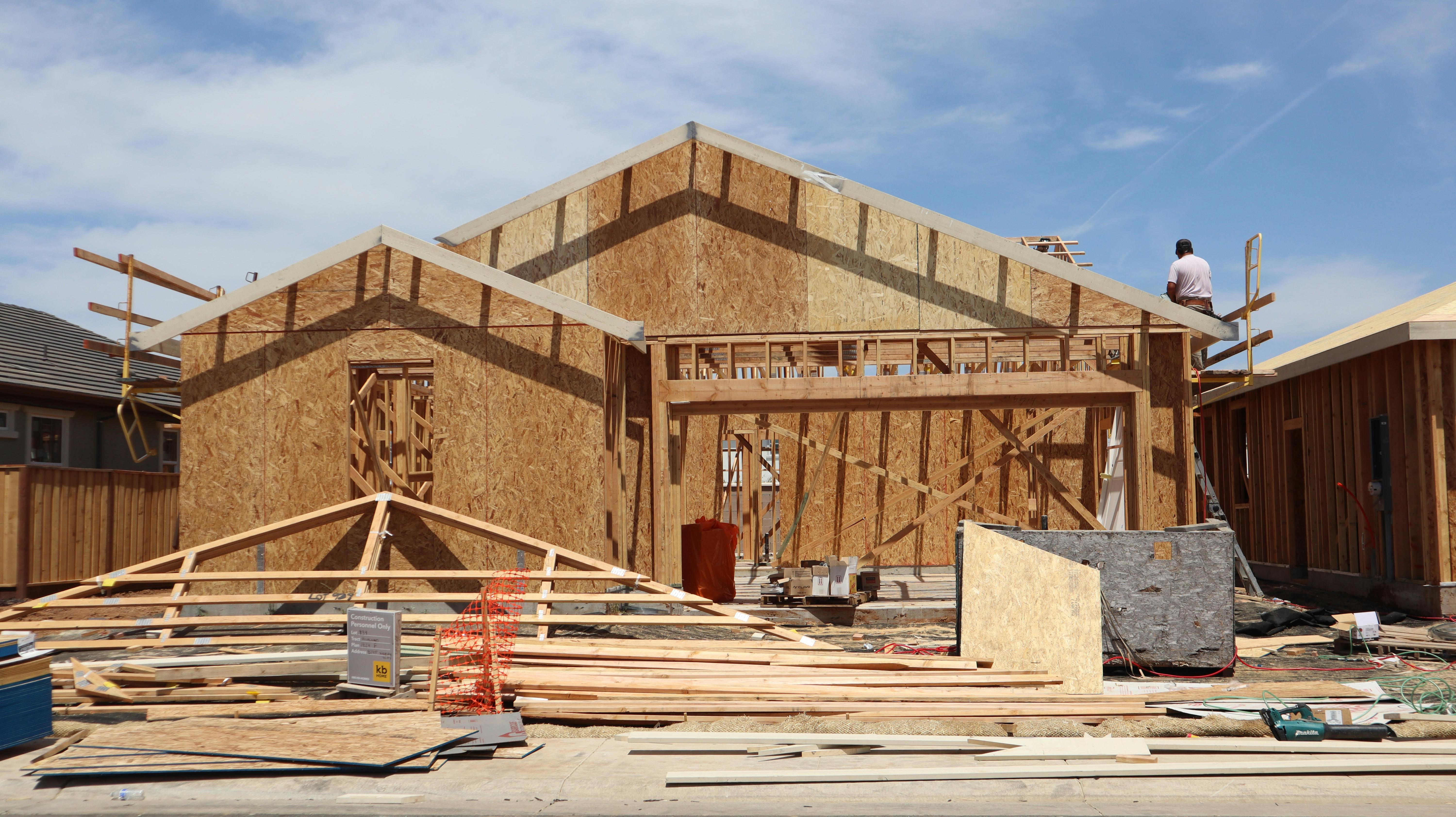
Embarking on a new home construction project can feel overwhelming, but with a clear roadmap and customized plans, the process becomes manageable and rewarding. From initial design concepts to the final finishing touches, each phase benefits from strategic planning, expert guidance, and thoughtful decision-making. By breaking down the journey into distinct steps, homeowners can maintain control over budgets, timelines, and quality, ensuring that the finished residence reflects both personal style and lasting durability.
Understanding the Foundations of a Successful Build
A solid foundation starts long before the first shovel hits the ground. It involves thorough site analysis, zoning compliance, and a realistic assessment of budget constraints. Engaging experienced home building contractors early in the process can uncover potential challenges and streamline approvals.
Key Considerations Before Breaking Ground
- Site Evaluation: Soil testing, drainage patterns, and topography influence foundation design and overall site layout.
- Regulatory Requirements: Local building codes, setback rules, and permit timelines must be addressed to avoid costly delays.
- Budget Allocation: Allocate funds for contingencies, material upgrades, and unforeseen site conditions.
- Design Integration: Align architectural style with functional needs, energy efficiency goals, and future expansion possibilities.
Designing Customized Floor Plans
Customized floor plans translate personal lifestyle preferences into functional spaces. Whether the goal is an open-concept living area, a dedicated home office, or a multi-generational layout, a detailed plan serves as the blueprint for all subsequent work.
Steps to Create a Tailored Layout
- Conduct a needs analysis with all household members to identify essential rooms and desired flow.
- Utilize 3-D modeling tools to visualize spatial relationships and make adjustments before construction.
- Incorporate flexible zones that can adapt to changing family dynamics over time.
- Consult with home framing near me specialists to ensure structural feasibility.
Choosing Quality Materials and Finishes
Material selection impacts durability, maintenance, and curb appeal. Prioritizing high-performance products reduces long-term costs and enhances the home’s resale value.
Exterior Materials That Stand the Test of Time
- Vinyl siding installation offers low maintenance, weather resistance, and a wide range of aesthetic options.
- Fiber-cement panels provide a durable alternative with a natural wood appearance.
- Stone veneer adds a timeless, premium look while protecting structural walls.
- Energy-efficient windows and doors improve insulation and reduce utility bills.
Interior Finishes for Comfort and Style
- Engineered hardwood flooring balances beauty with stability in high-traffic areas.
- Quartz countertops deliver durability and low upkeep for kitchens and baths.
- Smart home integration (lighting, HVAC, security) enhances convenience and energy savings.
Coordinating Exterior Home Renovation and Landscaping
Even new construction benefits from thoughtful exterior enhancements. Integrating exterior home remodeling services early ensures that landscaping, driveways, and outdoor living spaces complement the architectural design.
- Plan grading and drainage to direct water away from the foundation.
- Select permeable paving materials for driveways and walkways.
- Incorporate native plantings that require minimal irrigation.
- Consider outdoor rooms, patios, decks, or pergolas, to extend usable living space.
Managing the Construction Timeline
Effective project management keeps the build on schedule and within budget. A well-structured timeline outlines each phase, from site preparation to final inspection.
- Pre-Construction: Permits, site clearing, and foundation work.
- Framing: Structural skeleton erected, followed by rough-in of plumbing, electrical, and HVAC.
- Exterior Envelope: Installation of siding, roofing, and windows.
- Interior Finishes: Drywall, flooring, cabinetry, and fixtures.
- Final Walk-Through: Punch-list items addressed, certifications obtained, and homeowner orientation.
Ensuring Quality Through Inspection and Warranty
Regular inspections at critical milestones safeguard workmanship and material quality. Engaging third-party inspectors or trusted best contractors for home remodeling can provide unbiased assessments.
- Foundation inspection to verify proper depth, reinforcement, and moisture barriers.
- Framing inspection for alignment, load-bearing integrity, and code compliance.
- Final inspection covering mechanical systems, fire safety, and energy performance.
- Comprehensive warranty documentation for structural components and installed finishes.
Post-Construction Support and Home Improvement Services
Even after the keys are handed over, ongoing home improvement services help maintain the property’s condition and value. Routine maintenance, seasonal inspections, and minor upgrades keep the home operating efficiently.
- Annual HVAC system servicing to ensure optimal performance.
- Periodic siding checks and resealing to protect against moisture intrusion.
- Exterior paint touch-ups and pressure washing for lasting curb appeal.
- Energy audits to identify opportunities for further savings.
Conclusion: A Streamlined Path to Your Dream Home
By leveraging customized plans, strategic material choices, and disciplined project management, new home construction becomes a clear, achievable endeavor. The integration of expert new home construction guidance, thoughtful design, and reliable home improvement services ensures that the final residence not only meets immediate needs but also stands resilient for years to come. With each step carefully mapped, homeowners can enjoy the confidence of a well-executed build and the satisfaction of a home that truly reflects their vision.
About the Author