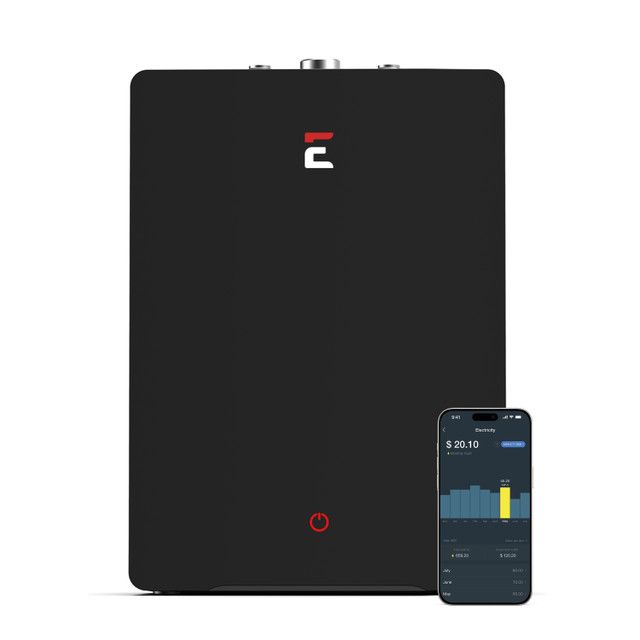
When it comes to small water heater installation, many DIY homeowners face a daunting task. However, with the right guidance and knowledge, this process can be made smoother and more efficient. For those looking to install a mini tank water heater, it’s essential to have a clear understanding of the steps involved and the factors that need to be considered.
Choosing the Right Mini Tank Water Heater
The first step in installing a mini tank water heater is to choose the right model for your needs. With various options available in the market, it’s crucial to select a unit that meets your energy requirements and fits your budget. The Discover expert strategies here to find the perfect mini tank water heater for your home.
Consider the following factors when selecting a mini tank water heater:
- Energy efficiency: Look for units with high Energy Factor (EF) ratings to minimize energy consumption.
- Capacity: Choose a unit that can meet your hot water demands, taking into account factors like household size and water usage patterns.
- Installation requirements: Ensure the unit is compatible with your existing plumbing system and can be easily installed.
Installation Considerations
Once you’ve chosen the right mini tank water heater, it’s time to consider the installation process. This involves several steps, including:
1. Shut off the power supply: Before starting the installation, ensure the power supply to the unit is switched off to prevent any accidents.
2. Drain the old tank (if applicable): If you’re replacing an existing tank, drain the old unit to ensure a smooth installation process.
3. Mount the new unit: Follow the manufacturer’s instructions to mount the new mini tank water heater securely.
4. Connect the water supply: Connect the water supply lines to the unit, ensuring a secure and leak-free connection.
5. Test the unit: Once the installation is complete, test the unit to ensure it’s functioning correctly and providing the desired hot water output.
Troubleshooting Common Issues
Even with proper installation, issues may arise with your mini tank water heater. Be prepared to troubleshoot common problems, such as:
1. Low water pressure: Check the water supply lines and ensure they’re not kinked or blocked, which can cause low water pressure.
2. Leaks: Inspect the connections and ensure they’re tightened securely to prevent leaks.
3. Temperature fluctuations: Adjust the thermostat setting to ensure a consistent temperature output.
For more advanced guides and tips on troubleshooting common issues, visit the Explore advanced guides and tips section of our website.
By following these small water heater installation tips and considering the factors mentioned above, DIY homeowners can ensure a successful installation and enjoy the benefits of a mini tank water heater in their home.
Remember to always follow the manufacturer’s instructions and take necessary safety precautions when working with electrical and plumbing systems. With the right guidance and knowledge, you can confidently install a mini tank water heater and enjoy the convenience of hot water on demand.
About the Author


