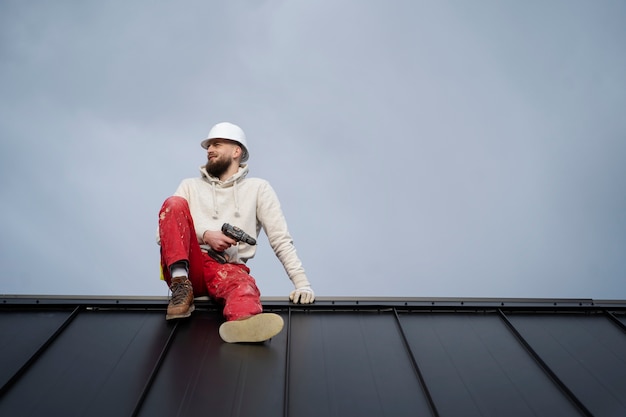
Flat-roofed slab constructions are a popular choice for commercial and residential buildings because of their cost-effectiveness and ease of installation. However, the very flatness that makes them attractive also creates a vulnerability: water can pool, seep, and eventually compromise the structural integrity of the concrete. Understanding how to protect a slab roof from moisture intrusion is essential for extending its lifespan, maintaining safety, and avoiding costly repairs. Below, seasoned waterproofing professionals share the most reliable methods for keeping slab roofs dry and durable.
Why Slab Roof Waterproofing Is Critical
Even a small amount of water that remains on a concrete slab for an extended period can lead to a cascade of problems:
- Freeze-thaw damage: In colder climates, trapped water expands when it freezes, creating micro-cracks that grow over time.
- Corrosion of reinforcement: Moisture reaching the rebar accelerates rust, which expands and further cracks the concrete.
- Algae and mold growth: Persistent dampness promotes biological growth, which can degrade sealants and create slip hazards.
- Reduced load-bearing capacity: Water infiltration weakens the concrete matrix, potentially affecting the roof’s ability to support equipment or foot traffic.
Fundamental Steps for Effective Waterproofing
1. Proper Surface Preparation
Before any membrane or coating is applied, the slab must be clean, dry, and free of contaminants. This typically involves:
- Removing loose debris, dust, and oil with a high-pressure vacuum or sweeping.
- Repairing cracks and joints using a suitable concrete patching compound.
- Ensuring the surface is fully cured; moisture meters can verify that the concrete’s moisture content is within acceptable limits.
2. Selecting the Right Waterproofing System
There are several proven systems, each suited to different project requirements:
- Liquid-applied membranes: Seamless, fast-curing coatings that form a monolithic barrier.
- Sheet membranes: Reinforced polymer sheets that are heat-welded or adhered to the slab.
- Cementitious coatings: Mortar-based layers that blend with the concrete’s appearance while providing protection.
For a detailed comparison of these options and guidance on choosing the best fit, Discover expert strategies here.
3. Detailing Penetrations and Joints
Any pipe, vent, or expansion joint is a potential leak point. Effective detailing includes:
- Applying a pre-formed flashing or a flexible sealant around the penetration.
- Using a double-layer approach, first a primary waterproofing membrane, then a secondary sealant for added redundancy.
- Ensuring that all joints are overlapped by at least 150 mm to prevent water ingress.
Advanced Techniques for Long-Term Protection
Integral Waterproofing Additives
Modern concrete mixes can incorporate crystalline waterproofing admixtures that react with moisture to form insoluble crystals within the concrete pores. This creates a self-sealing effect that continues to protect even if minor cracks develop.
Protective Overlays
Applying a wear-resistant overlay, such as a polymer-modified screed, adds a physical barrier that shields the waterproofing membrane from UV exposure and mechanical damage. When selecting an overlay, consider slip resistance and compatibility with the underlying system.
Maintenance and Inspection Regimen
Waterproofing is not a set-and-forget solution. A proactive maintenance schedule can catch early signs of failure:
- Inspect the roof quarterly for standing water, discoloration, or bubbling of the membrane.
- Perform a water-penetration test annually to verify the integrity of the barrier.
- Promptly reseal any observed cracks or compromised joints.
Guidance on establishing an effective inspection program can be found by Learn about our tailored solutions.
Cost Considerations and ROI
While the upfront cost of a high-quality waterproofing system may appear significant, the return on investment becomes evident through reduced repair expenses and extended service life. Typical cost factors include:
- Material selection (membrane type, additives, overlays).
- Surface preparation intensity.
- Complexity of roof geometry and number of penetrations.
When evaluating bids, prioritize durability and warranty coverage over the lowest price. A well-executed waterproofing job can add 10-15 years to a slab roof’s functional lifespan, translating into substantial savings over the building’s life cycle.
Key Takeaways
- Thorough surface preparation is the foundation of any successful waterproofing project.
- Choose a system that matches the roof’s exposure, traffic, and climate conditions.
- Detail every penetration and joint with redundant sealing methods.
- Incorporate integral waterproofing additives and protective overlays for added resilience.
- Implement a regular inspection and maintenance schedule to catch issues early.
For a comprehensive guide that walks through each step with case studies and product recommendations, Explore advanced guides and tips.
About the Author


