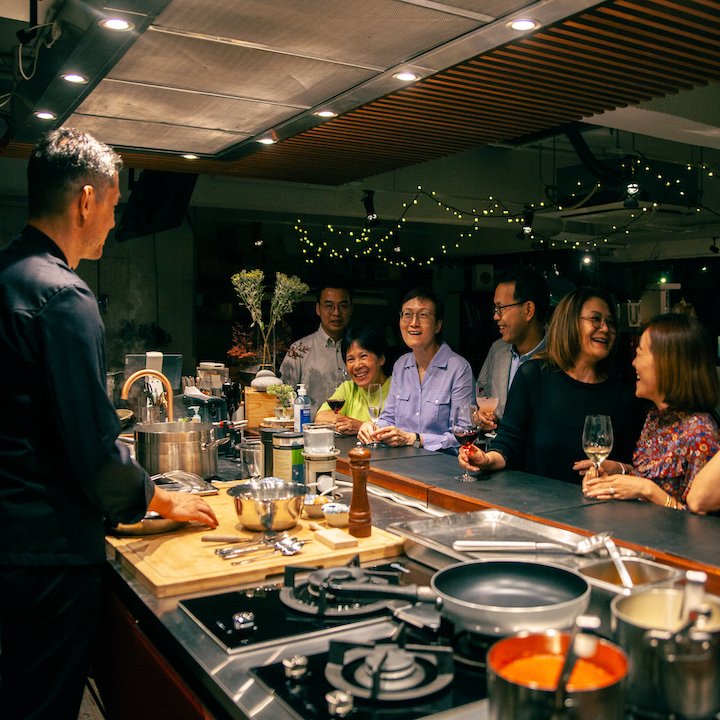
Creating a memorable event goes beyond selecting a venue or decorating the space; the menu is the heart of the experience. A custom-crafted menu reflects the event’s purpose, the guests’ preferences, and the overall narrative that organizers wish to convey. By thoughtfully curating dishes, beverages, and service styles, planners can transform a simple gathering into a distinctive, unforgettable occasion that resonates long after the last bite.
Why Custom Menus Elevate the Guest Experience
Tailored menus speak directly to the audience, showing attention to detail and a commitment to quality. They allow for:
- Alignment with the event theme or brand identity.
- Accommodations for dietary restrictions and cultural preferences.
- Showcasing seasonal and locally sourced ingredients.
- Creating a narrative flow that mirrors the event agenda.
When guests feel that every element, including the food, has been considered, satisfaction and engagement rise dramatically.
Key Elements of a Successful Custom Event Menu
1. Understanding the Audience
Research is essential. Identify the demographic, dietary needs, and culinary expectations of attendees. This insight guides flavor profiles, portion sizes, and service styles.
2. Theme Integration
Whether the event is corporate, celebratory, or educational, the menu should echo the visual and emotional tone. For a tech conference, minimalist plating with modernist techniques may work; for a rustic wedding, farm-to-table dishes enhance authenticity.
3. Seasonal and Local Sourcing
Utilizing peak-season produce not only guarantees freshness but also supports local producers. Seasonal menus often reduce costs while delivering superior taste.
4. Beverage Pairing
Thoughtful pairing of wines, craft beers, non-alcoholic mocktails, and specialty coffees elevates each course. A well-planned beverage program can turn a good menu into a great one.
Designing the Menu Structure
A clear, logical progression helps guests navigate the culinary journey. Common structures include:
- Reception bites – Light, handheld options that encourage mingling.
- Starter – A palate-cleansing soup or salad.
- Main course – Protein-focused dishes with complementary sides.
- Dessert – Sweet finishes that reflect the event’s tone.
- After-dinner – Coffee, tea, and optional digestifs.
Practical Steps to Implement a Custom Menu
Following a systematic approach ensures consistency and reduces last-minute stress:
- Define the event objectives and guest profile.
- Consult with a culinary partner who specializes in bespoke catering.
- Develop a preliminary menu draft and solicit feedback from key stakeholders.
- Refine recipes, incorporate dietary accommodations, and finalize beverage pairings.
- Conduct a tasting session to confirm flavor, presentation, and timing.
- Confirm logistics: kitchen equipment, staffing, and service style.
For detailed guidance on each phase, Discover expert strategies here.
Case Study: Tailoring Menus for Corporate Retreats
Corporate retreats often blend work sessions with team-building activities. A successful menu for such events balances nutrition, energy, and enjoyment.
- Morning fuel – Protein-rich smoothies, whole-grain pastries, and fresh fruit.
- Power lunch – Balanced bowls featuring lean proteins, complex carbs, and vibrant vegetables.
- Evening networking – Interactive stations like build-your-own tacos or sushi rolls that encourage conversation.
Integrating interactive food stations can reinforce collaboration goals while providing a memorable culinary experience.
Technology and Custom Menus
Digital tools streamline menu customization. Online platforms allow guests to pre-select meals, indicate allergies, and even vote on menu options. This data-driven approach reduces waste and ensures satisfaction.
To explore how technology can enhance menu planning, Learn about our tailored solutions.
Budget Considerations
While custom menus can appear costly, strategic choices keep expenses in check:
- Prioritize seasonal ingredients to lower procurement costs.
- Limit the number of premium proteins; supplement with high-quality vegetables.
- Use modular plating to simplify service without sacrificing elegance.
- Negotiate package deals with catering partners who specialize in volume events.
Final Thoughts
Custom event menus are a powerful tool for crafting unique experiences. By aligning culinary choices with the event’s purpose, audience, and brand narrative, organizers can deliver a cohesive, memorable journey that leaves a lasting impression. For further reading on advanced menu design techniques, Explore advanced guides and tips.
About the Author