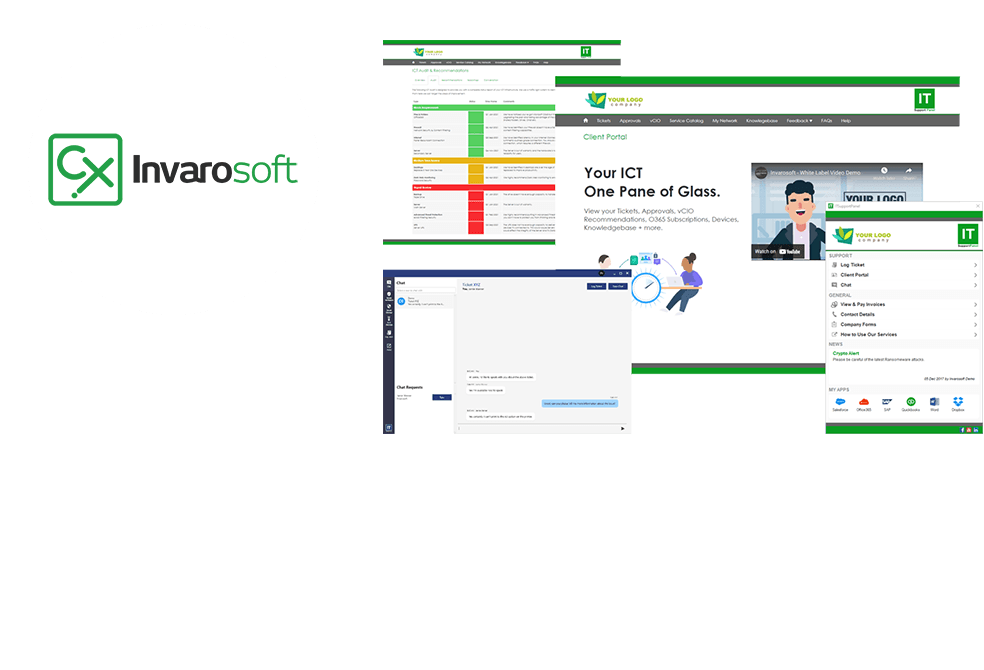
In today’s fast-paced business landscape, companies are constantly seeking innovative ways to enhance their customer relationships and drive growth. One key strategy that has gained significant attention in recent years is the adoption of a client success platform. By leveraging cutting-edge technology and data-driven insights, businesses can streamline their operations, improve communication, and ultimately deliver a more personalized experience for their customers.
A well-designed client success platform is more than just a tool for managing customer interactions; it’s a strategic framework for building long-term relationships and driving business outcomes. By integrating various functions, such as customer data management, workflow automation, and analytics, these platforms empower businesses to respond quickly to changing customer needs and preferences. This, in turn, fosters loyalty, retention, and ultimately, revenue growth.
One of the primary advantages of a client success platform is its ability to provide a unified view of the customer. By consolidating data from various sources, these platforms enable businesses to gain a deeper understanding of their customers’ behaviors, preferences, and pain points. This information can then be used to inform targeted marketing campaigns, improve customer support, and develop more effective sales strategies.
For instance, a company might use a service delivery platform to streamline its project management processes, ensuring that customers receive timely updates and status reports throughout the engagement. This not only enhances the overall customer experience but also helps to build trust and credibility with clients.
In addition to improving customer relationships, a client success platform can also have a significant impact on a company’s operational efficiency. By automating routine tasks, such as data entry and reporting, these platforms free up staff to focus on higher-value activities, such as strategic planning and customer engagement. This, in turn, can lead to significant cost savings and improved productivity.
When selecting a client success platform, businesses should carefully consider their specific needs and requirements. Some key factors to consider include the platform’s scalability, customization options, and integration capabilities. It’s also essential to evaluate the platform’s user experience, ensuring that it is intuitive and easy to use for both technical and non-technical staff.
Ultimately, a well-implemented client success platform can have a transformative impact on a company’s customer relationships and business outcomes. By providing a unified view of the customer, streamlining operations, and driving data-driven decision making, these platforms empower businesses to deliver a more personalized, responsive, and effective service delivery experience.
In conclusion, the adoption of a client success platform is a strategic move that can help businesses stay ahead of the competition in today’s fast-paced market. By leveraging cutting-edge technology and data-driven insights, companies can build stronger relationships with their customers, drive growth, and ultimately achieve long-term success.
Developing a client success platform is a complex task that requires careful planning, execution, and ongoing maintenance. To ensure the success of such an initiative, businesses should establish clear goals, metrics, and benchmarks for measuring progress. This might involve tracking key performance indicators (KPIs) such as customer satisfaction, retention rates, and revenue growth.
By taking a holistic approach to client success, businesses can create a more responsive, effective, and sustainable service delivery model. This, in turn, can help to drive business growth, improve customer relationships, and establish a competitive edge in the market.
For businesses seeking to enhance their customer relationships and drive growth, a client success platform is an essential tool. By leveraging cutting-edge technology and data-driven insights, companies can build stronger relationships with their customers, drive business outcomes, and ultimately achieve long-term success.
Investing in a client success platform is a strategic move that can help businesses stay ahead of the competition in today’s fast-paced market. By providing a unified view of the customer, streamlining operations, and driving data-driven decision making, these platforms empower businesses to deliver a more personalized, responsive, and effective service delivery experience.
About the Author