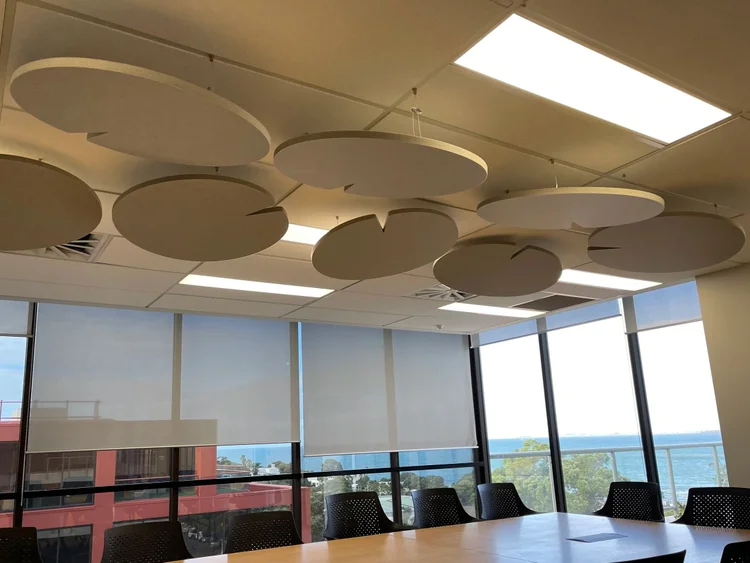
The demand for soundproofing solutions has surged as individuals and businesses seek to create environments that support focus, privacy, and comfort. Quality soundproof panel installation plays a crucial role in achieving these goals. Whether it’s a home office needing tranquility or a commercial space requiring acoustic control, understanding the intricacies of soundproof panel installation is vital. This article delves into the key elements of effective soundproofing, offering insights into materials, techniques, and professional approaches that ensure superior acoustic performance.
Understanding Soundproof Panels
Soundproof panels are specialized materials designed to reduce noise by absorbing sound waves. The effectiveness of these panels depends on:
- Material density and thickness
- Installation method
- Placement within the room
- Overall room acoustics
For those looking to enhance their knowledge on the subject, discover expert strategies here.
Choosing the Right Materials
When selecting materials for soundproof panels, several factors should be considered:
- Density: Denser materials typically offer better soundproofing capabilities.
- Thickness: Thicker panels can absorb more sound, providing better noise reduction.
- Finish: Options include fabric, wood, or metal finishes, each affecting the aesthetic and acoustic properties differently.
To ensure the best outcomes, it’s essential to match the material properties to the specific requirements of the space. Learn about our tailored solutions to make informed decisions.
Installation Best Practices
Preparation and Planning
Successful soundproof panel installation begins with meticulous planning. This involves:
- Assessing the acoustic needs of the space
- Calculating the number and size of panels required
- Determining optimal panel placement for maximum sound absorption
Proper planning reduces errors and ensures a seamless installation process.
Installation Techniques
The installation method can significantly impact the effectiveness of soundproof panels:
- Wall Mounting: Panels should be securely attached to walls using appropriate brackets or adhesives.
- Ceiling Installation: Suspension systems or direct mounting can be used for ceiling applications to address overhead noise.
- Freestanding Units: Portable panels offer flexibility and can be repositioned as needed.
Explore advanced guides and tips on installation techniques here.
Ensuring Optimal Performance
Beyond the initial installation, maintaining optimal soundproofing performance requires ongoing attention:
- Regularly inspect panels for wear and damage
- Adjust placement as room dynamics change
- Consider complementary acoustic treatments, such as carpets or heavy curtains
Find out more about this approach by visiting the comprehensive resource.
Conclusion
Quality soundproof panel installation is a nuanced process that blends material science, acoustics, and design principles. By understanding the factors that influence sound absorption and following best practices for installation, spaces can be transformed into havens of tranquility and productivity. For those seeking to enhance their acoustic environments, investing time in research and consulting professional resources, such as those available at BrightWall, is a prudent step toward achieving exceptional results.
About the Author