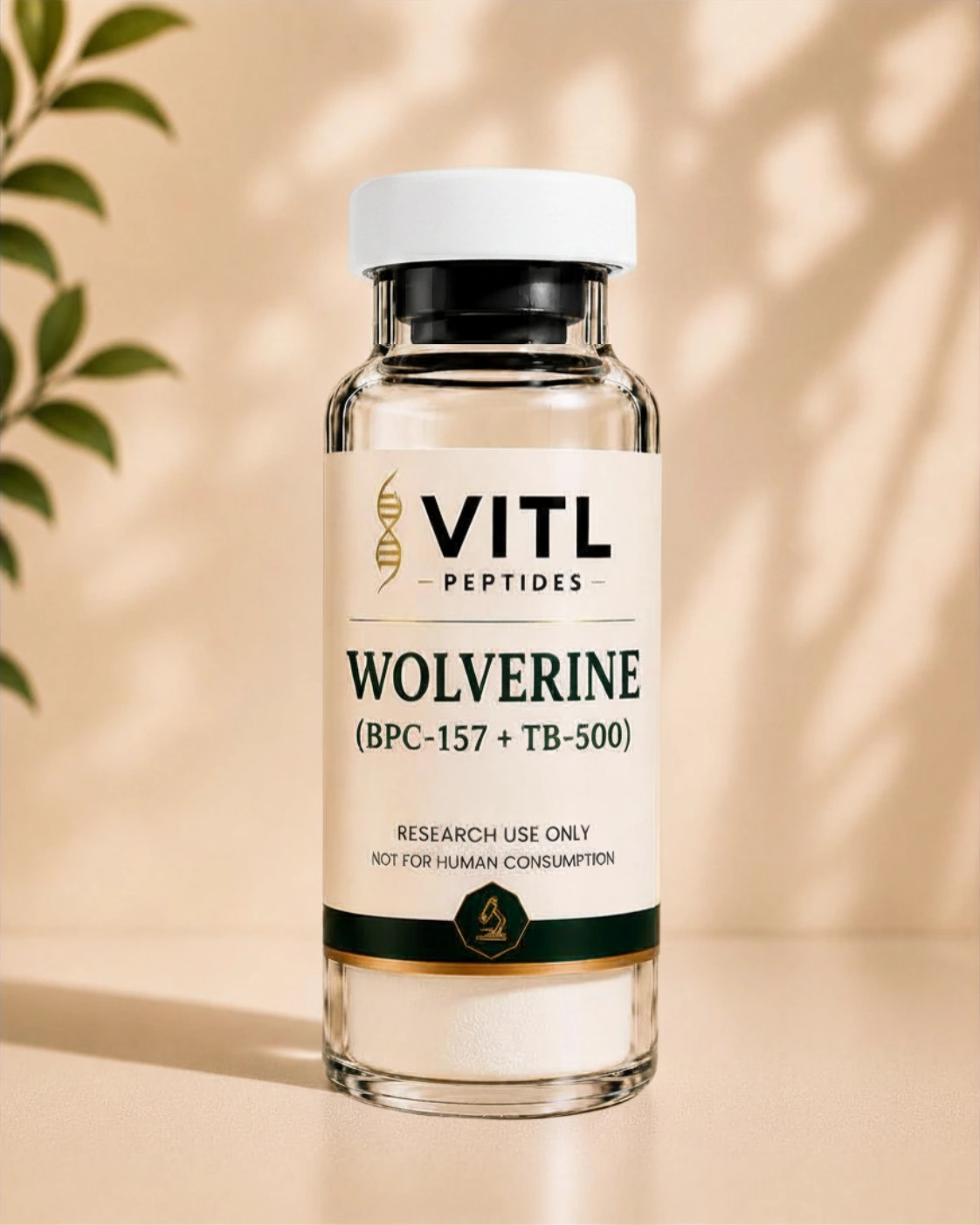
The Wolverine (BPC-157 + TB-500) peptide represents a cutting-edge development in the field of peptide therapeutics. As research in the USA advances, this combination is gaining attention for its potential benefits in wound healing, tissue repair, and inflammation reduction. The synergy between BPC-157 and TB-500 holds promise for numerous applications, making it a subject of intense investigation.
Understanding BPC-157 and TB-500
The Wolverine peptide is a combination of two potent peptides: BPC-157 and TB-500. Each component contributes uniquely to the peptide’s overall efficacy, making it a versatile option for Wolverine (BPC-157 + TB-500) research peptide activities.
BPC-157
BPC-157 is a peptide derived from a protein found in the human stomach. It is known for its regenerative properties and has shown potential in:
- Accelerating wound healing
- Reducing inflammation
- Protecting organs and preventing ulcers
TB-500
TB-500 is a synthetic version of Thymosin Beta-4, a protein that plays a crucial role in cell migration and healing. Its benefits include:
- Enhancing recovery and repair of tissues
- Promoting cell migration and growth
- Reducing inflammation and scar tissue
Applications and Potential Benefits
Combining BPC-157 and TB-500 into the Wolverine peptide creates a compound with enhanced capabilities. This innovative blend is being explored for various applications, such as:
Wound Healing and Tissue Repair
Research indicates that the Wolverine peptide can significantly improve healing times and repair damaged tissues. This makes it a promising candidate for Wolverine (BPC-157 + TB-500) laboratory research.
Anti-Inflammatory Properties
The anti-inflammatory effects of BPC-157 and TB-500 are well-documented, suggesting their combined use could amplify these benefits. This has implications for conditions involving chronic inflammation.
Current Research and Developments
Ongoing studies in the USA continue to uncover new insights about the Wolverine peptide’s mechanisms and potential uses. Researchers are particularly interested in its applications in sports medicine and regenerative therapies.
Sports Medicine
Given its ability to expedite recovery, the Wolverine peptide is being investigated for use in sports medicine. Athletes and trainers are keenly observing developments to determine its efficacy in enhancing performance and recovery.
Regenerative Medicine
In regenerative medicine, the Wolverine peptide’s role in tissue repair is of significant interest. Researchers are exploring its potential to aid in the regeneration of damaged tissues, opening new avenues for treatment options.
Conclusion
The Wolverine (BPC-157 + TB-500) peptide is at the forefront of peptide research in the USA. Its unique combination of regenerative and anti-inflammatory properties positions it as a promising candidate for a range of therapeutic applications. As studies progress, the understanding of its full potential continues to evolve. For those interested in further exploration, the option to buy Wolverine (BPC-157 + TB-500) peptide for research purposes is available, facilitating continued innovation in this exciting field.
About the Author


