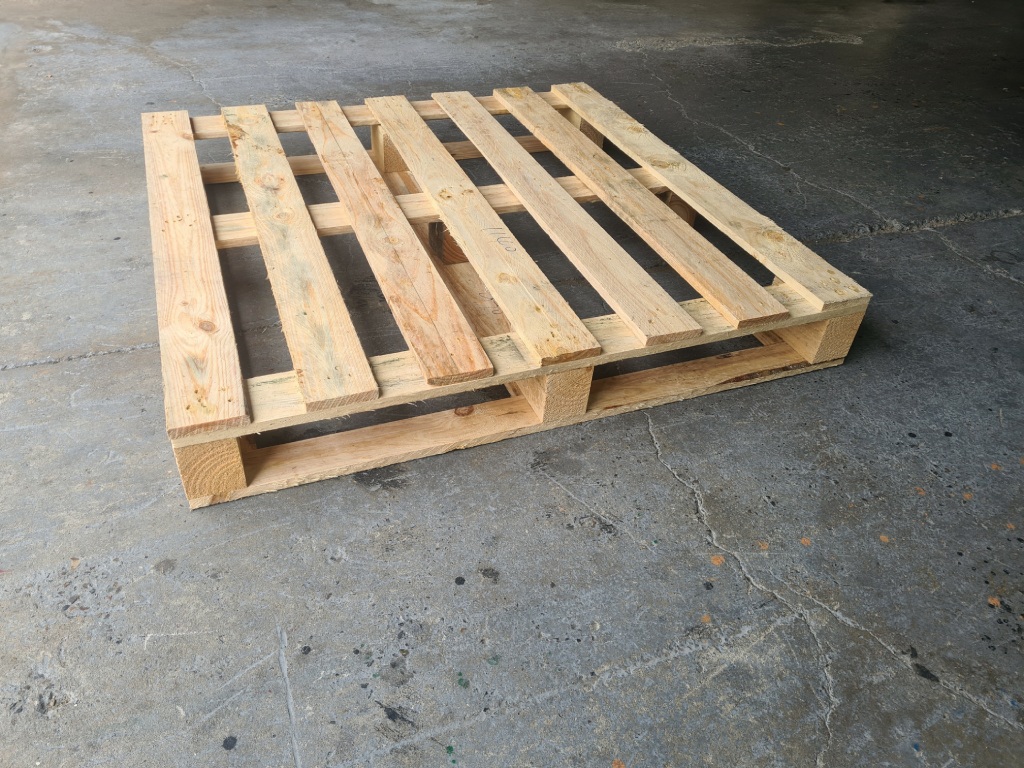
In the global trade landscape, the right choice of export pallets is crucial for ensuring that goods arrive at their destination safely and efficiently. Selecting the appropriate pallets can significantly impact the logistical aspects of a business, from handling to storage and transportation. The decision on which pallets to choose hinges on various factors, including the type of goods, destination requirements, and the specific needs of the business. Understanding these elements can help businesses make informed decisions that enhance their supply chain operations.
Understanding Export Pallets
Export pallets are essential tools in the logistics and supply chain industry. They serve as the foundation for transporting goods internationally, offering protection and ease of handling. The choice of pallets can influence the efficiency of logistics operations and the condition of goods upon arrival.
Types of Export Pallets
There are several types of export pallets available, each designed to cater to specific needs:
- Wooden Pallets: These are the most common type, known for their durability and strength. They are suitable for heavy goods and are widely accepted worldwide.
- Plastic Pallets: Lightweight and resistant to moisture and chemicals, plastic pallets are ideal for industries that prioritize hygiene, such as the pharmaceutical and food sectors.
- Metal Pallets: These are used for transporting heavy and robust goods, offering superior strength and durability.
- Corrugated Pallets: Made from cardboard, these pallets are lightweight and recyclable, suitable for lighter loads and one-time use.
Factors to Consider When Choosing Export Pallets
When selecting the right export pallets for business needs, several factors should be considered:
- Weight Capacity: Ensure the pallet can support the weight of the goods to be transported.
- Material: Choose a material that aligns with the nature of the goods and environmental conditions.
- International Standards: Compliance with international standards, such as ISPM 15 for wooden pallets, is essential for seamless cross-border trade.
- Cost: Consider the cost-effectiveness of the pallet type in relation to its durability and lifecycle.
- Reusability: For sustainable operations, consider pallets that can be reused multiple times.
Benefits of Using the Right Export Pallets
Choosing suitable export pallets offers several advantages:
- Efficient Handling and Storage: Proper pallets facilitate easier handling and stacking, optimizing storage space.
- Reduced Risk of Damage: High-quality pallets protect goods during transit, minimizing the risk of damage.
- Compliance and Safety: Pallets that meet international standards ensure compliance and safety in global logistics.
- Environmental Impact: Selecting sustainable pallet options can reduce the environmental footprint of logistics operations.
Conclusion
In the competitive arena of global trade, making the right choice of export pallets is a strategic decision that can impact a business’s efficiency and reputation. By understanding the various types of pallets, the factors influencing their selection, and the benefits they offer, businesses can optimize their supply chain operations. Leveraging the right export pallets not only enhances operational efficiency but also ensures the safe and compliant transportation of goods across international borders.
About the Author