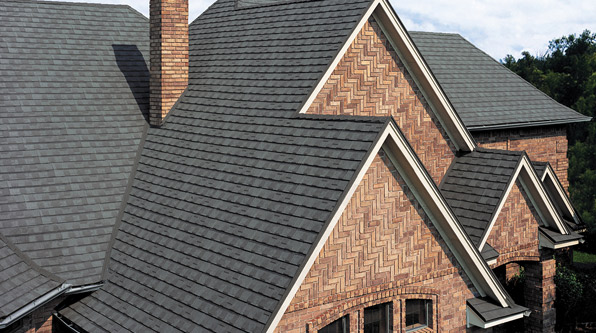
Commercial metal roofing has become an increasingly popular choice among businesses due to its durability, energy efficiency, and aesthetic appeal. However, understanding the cost components involved in installing commercial metal roofing can be complex. This comprehensive guide aims to provide a detailed overview of the factors affecting the cost of commercial metal roofing, helping business owners make informed decisions for their roofing projects.
Key Factors Influencing the Cost
Material Costs
The type of metal chosen significantly impacts the overall cost. Common materials include:
- Steel: Known for its strength and affordability, steel is a popular choice for many commercial applications.
- Aluminum: Lightweight and resistant to corrosion, aluminum is ideal for coastal environments.
- Copper: Though more expensive, copper offers unparalleled aesthetics and longevity.
- Zinc: A sustainable option with a long lifespan, zinc is also on the higher end of the cost spectrum.
To explore material options and their benefits further, discover expert strategies here.
Labor Costs
The complexity of the roofing design and the experience level of the contractors hired can considerably affect labor costs. Factors to consider include:
- Roof Design: Complex designs with multiple angles and slopes require more time and expertise.
- Installation Experience: Hiring experienced professionals may come at a higher price but ensures quality and efficiency.
For detailed insights into selecting the right contractors, learn about our tailored solutions.
Additional Components
Several other components may contribute to the total cost:
- Underlayment: Essential for waterproofing, the choice of underlayment can affect both cost and performance.
- Insulation: Adding insulation can enhance energy efficiency, though it increases initial expenses.
- Fasteners and Accessories: The quality and type of fasteners, as well as additional accessories, can influence costs.
To explore a comprehensive list of essential components and their roles, find out more about this approach.
Long-term Value Considerations
While upfront costs are important, the long-term value provided by commercial metal roofing should not be overlooked.
- Durability: Metal roofs can last 40-70 years, often outlasting other types of roofing materials.
- Energy Efficiency: Metal roofs reflect solar heat, reducing cooling costs by 10-25%.
- Maintenance: Minimal maintenance is required compared to traditional roofing options, offering additional savings over time.
For more information on maximizing long-term value, explore advanced guides and tips.
Cost Comparison with Other Roofing Types
When compared to other roofing materials, metal roofing can be more expensive initially but offers significant savings in the long run. Here’s a quick comparison:
- Asphalt Shingles: Lower initial cost but shorter lifespan and higher maintenance.
- Wood Shakes: Similar initial cost, but require more frequent maintenance and replacement.
- Slate: Comparable in longevity but typically more expensive than metal roofing.
Understanding these differences can help in making an informed decision. For a deeper dive into cost comparisons, learn about our tailored solutions.
Conclusion
Investing in commercial metal roofing involves considering both immediate costs and long-term benefits. By understanding the various factors and how they impact pricing, businesses can align their roofing choices with their financial and operational goals. For further insights and professional guidance, find out more about this approach.
About the Author