When the margins between victory and defeat are measured in seconds, the clothing a cyclist chooses can become a decisive factor. Modern performance cycling clothing blends advanced textiles, aerodynamic engineering, and biomechanical insight to create gear that not only feels comfortable but actively contributes to faster times. Understanding the current trends helps riders make informed decisions about the pieces that will translate directly into race results, from the subtle compression of a base layer to the sculpted shape of an aero cycling kit.
Integrated Aerodynamics: The Rise of Seamless Designs
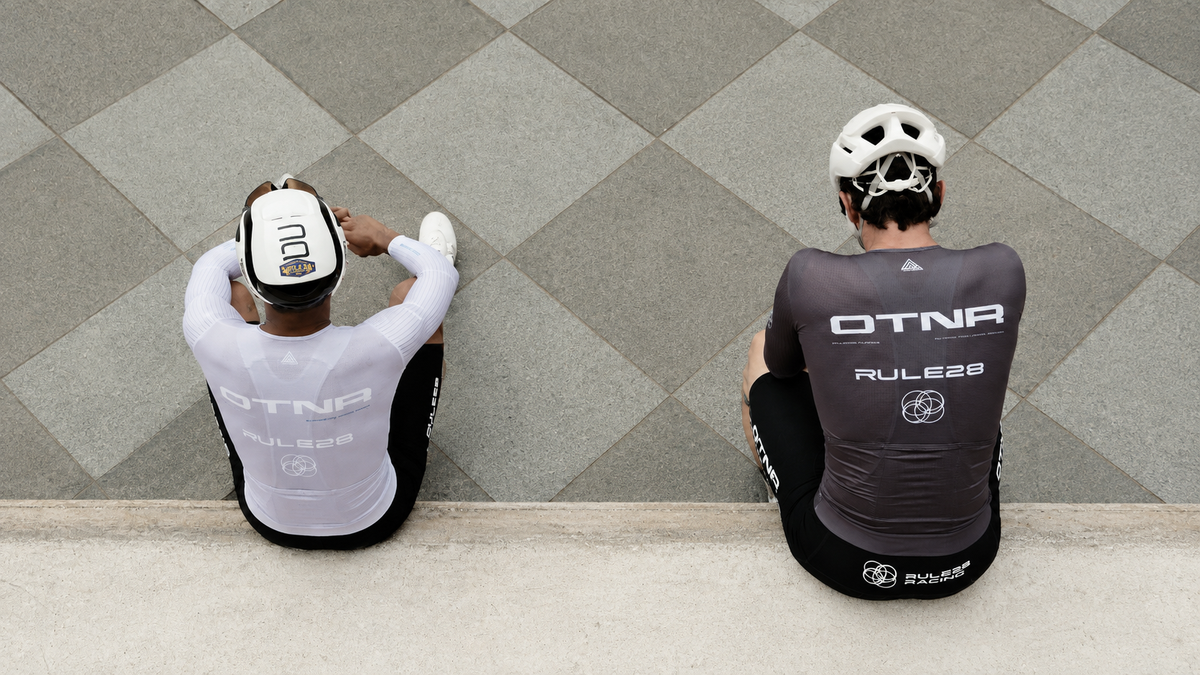
Traditional cycling jerseys relied on panels stitched together, creating micro-turbulence that can sap speed. Today, manufacturers are moving toward seamless construction, where the fabric is molded into a three-dimensional shape that hugs the body without seams that disrupt airflow.
- Laser-cut bonding eliminates stitching, reducing drag by up to 3%.
- 3D-knitted panels align with the rider’s natural posture, improving airflow over the shoulders and back.
- Integrated zippers and low-profile pockets maintain a smooth silhouette.
Riders seeking the ultimate reduction in resistance often look for aero cycling clothing that incorporates these seamless technologies.
Smart Fabrics for Temperature Regulation
Temperature control is critical for maintaining power output over long distances. Recent advances in textile engineering have introduced fabrics that actively manage heat and moisture.
Key Features
- Phase-change materials (PCMs): Absorb excess heat during intense efforts and release it when the rider cools down.
- Micro-ventilation zones: Strategically placed mesh panels that promote airflow without compromising aerodynamics.
- Dynamic compression: Fibers that respond to muscle movement, supporting circulation and reducing fatigue.
These innovations are often highlighted in the latest performance cycling apparel collections, delivering consistent comfort from sprint to climb.
Tailored Fit and Customization
One-size-fits-all is a relic of the past. Modern race kits are designed with a data-driven approach, using body scans and biomechanical analysis to create a fit that maximizes power transfer and minimizes wind resistance.
- Adjustable rear panels allow riders to fine-tune leg clearance for optimal pedal stroke.
- Ergonomic sleeves reduce shoulder fatigue on long rides.
- Custom color blocking not only adds visual flair but can be positioned to break up airflow in strategic ways.
For cyclists interested in the most precise fit, exploring aerodynamic cycling clothing options can provide the edge needed for marginal gains.
Material Innovation: From Nanotech to Recycled Fibers
Performance fabrics now incorporate nanotechnology to enhance durability and water repellency while maintaining breathability. Simultaneously, sustainability has driven the adoption of high-performance recycled fibers that meet the same standards as virgin polyester.
- Nanocoatings: Repel rain and sweat without adding weight.
- Recycled high-tenacity yarns: Offer comparable stretch and abrasion resistance to traditional materials.
- UV-protective treatments: Preserve fabric integrity during extended sun exposure.
Choosing gear that balances performance with responsibility is increasingly common among elite cyclists, and many find the best options under the umbrella of performance cycling clothing.
Strategic Layering for Race Day
Layering remains a cornerstone of race preparation, but the hierarchy of garments has become more sophisticated. The goal is to create a stack that retains aerodynamic efficiency while allowing quick adaptation to changing conditions.
Typical Race Day Stack
- Base Layer: Compression fabric that wicks moisture and supports muscle groups.
- Core Jersey: Seamless aero jersey with integrated pockets for nutrition.
- Arm Warmers or Sleeves: Lightweight, removable pieces that preserve the jersey’s aerodynamic shape.
- Shell Jacket: Wind-proof, low-drag shell for windy sections.
Each piece should be selected with an eye toward its contribution to overall drag reduction. Riders often assemble these components into a cohesive cycling race kit that feels like a single, purpose-built unit.
Data-Driven Decisions: Leveraging Cycling Marginal Gains
In the era of power meters and CFD simulations, the impact of clothing can be quantified. Small improvements in drag coefficient, temperature regulation, or muscle support translate into measurable time savings.
- CFD testing shows that a well-designed aero kit can shave 1-2 seconds per kilometer at 40″?km/h.
- Thermal imaging reveals that PCM-infused fabrics keep core temperature within the optimal range for up to 30% longer.
- Compression data indicates a 5% reduction in perceived exertion during prolonged climbs.
For athletes focused on incremental improvements, exploring the latest best cycling upgrades is a logical step toward achieving those cycling marginal gains.
Conclusion: Selecting Gear That Translates to Speed
Performance cycling clothing has evolved from simple comfort wear to a sophisticated system of aerodynamic, thermoregulatory, and biomechanical enhancements. By prioritizing seamless construction, smart fabrics, precise fit, innovative materials, and strategic layering, riders can harness the full potential of their apparel to boost race results. Integrating these trends into a well-curated aero cycling kit ensures that every pedal stroke is supported by technology designed to win races, not just look good on the road.
About the Author