Missing a single tooth can affect both confidence and oral function, yet modern dentistry offers a reliable, long-lasting solution: the single tooth dental implant. By anchoring a titanium post directly into the jawbone and attaching a custom crown, patients regain natural-looking aesthetics and the strength of a real tooth. For those searching for “single dental implant near me,” the process is straightforward, predictable, and supported by decades of clinical research. This guide outlines what to expect, why implants are often preferred over bridges or removable options, and how to choose a qualified practitioner for a successful outcome.
Why Choose a Single Tooth Implant?
When evaluating treatment options for a missing tooth, several factors come into play: durability, comfort, oral health preservation, and aesthetic results. Single tooth implants excel in each of these areas:
- Bone Preservation: The titanium post stimulates the jawbone, preventing the bone loss that typically follows tooth extraction.
- Longevity: With proper care, implants can last a lifetime, far surpassing the lifespan of traditional bridges.
- Natural Feel: The crown is cemented to the implant, offering stability comparable to a natural tooth.
- Oral Hygiene: Implants eliminate the need for flossing under a bridge, simplifying daily cleaning.
Understanding the Procedure
1. Initial Consultation & Planning
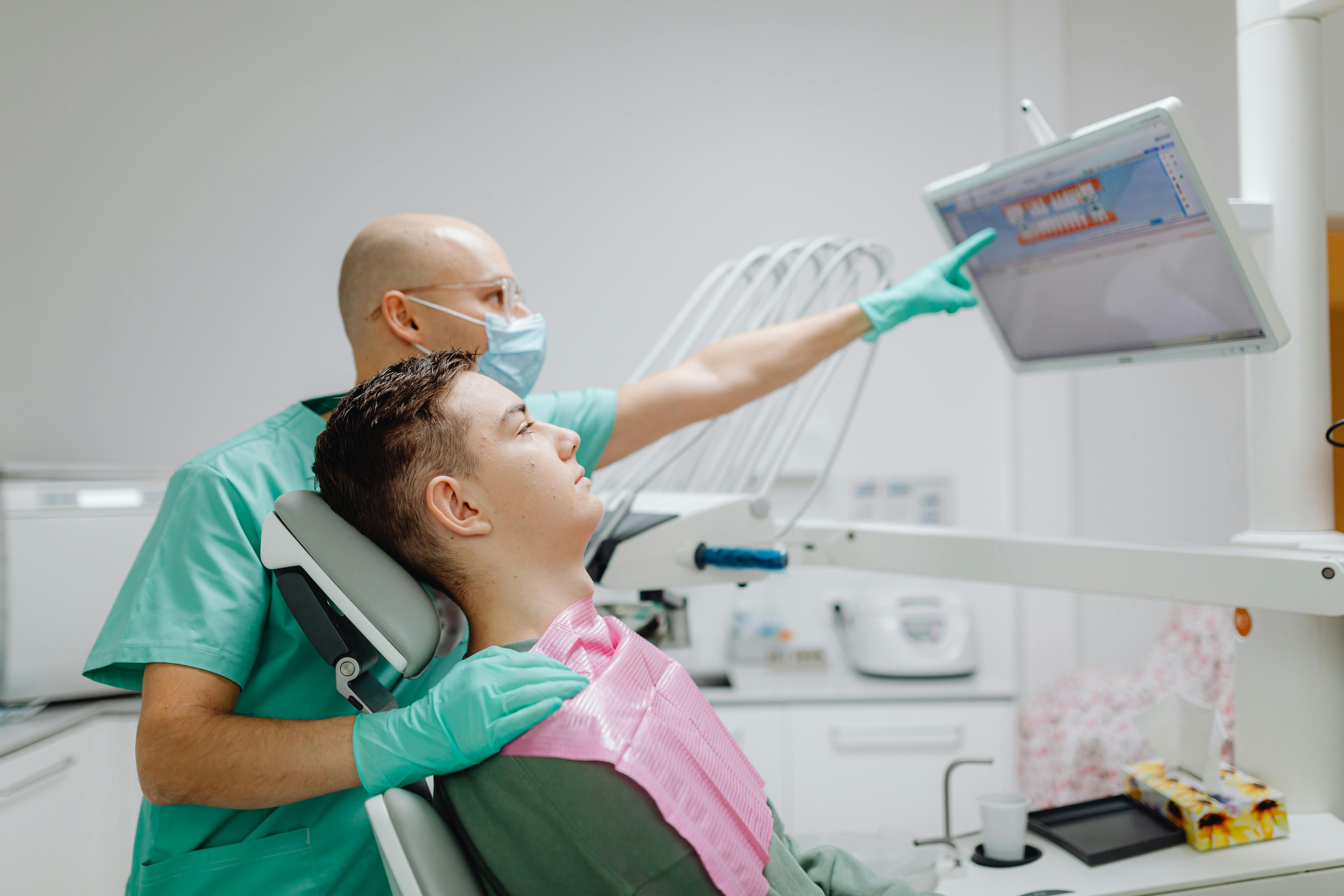
During the first visit, a comprehensive examination, including X-rays or 3D CBCT scans, determines bone density and optimal implant positioning. This step often involves discussion of the patient’s aesthetic goals and functional needs. For residents of Long Island, information about “single tooth replacement Massapequa NY” can be found on local dental practice websites, providing insight into the expertise available nearby.
2. Surgical Placement
The implant fixture is surgically placed into the jawbone under local anesthesia. After placement, a healing period of several weeks to a few months allows osseointegration, the direct bonding of bone to the titanium post.
3. Abutment & Crown Fabrication
Once integration is confirmed, an abutment is attached to the implant, serving as the connector for the final crown. A dental laboratory crafts a custom crown that matches the surrounding teeth in shape, color, and translucency.
4. Final Restoration
The crown is permanently secured, and the patient receives instructions for post-operative care, diet, and routine maintenance.
Key Benefits of Dental Implants for One Missing Tooth
- Restores full chewing efficiency, reducing strain on adjacent teeth.
- Improves speech clarity that can be compromised by gaps.
- Offers a permanent solution that does not require replacement like removable dentures.
- Enhances facial structure by supporting the surrounding gums and bone.
For those researching options, the term “dental implant for one missing tooth” yields detailed articles and patient testimonials that illustrate real-world outcomes.
Choosing the Right Specialist
Implant success hinges on the skill of the surgeon and the quality of the treatment plan. When selecting a provider, consider the following criteria:
- Board certification in oral surgery or periodontics.
- Extensive experience with single tooth cases, as reflected in case studies or before-and-after galleries.
- Use of advanced imaging technology for precise placement.
- Transparent discussion of costs, timelines, and after-care protocols.
Prospective patients in the Massapequa area often search for “single tooth implant dentist Massapequa” to locate practitioners with a proven track record in the region.
Cost Considerations and Insurance
While the upfront cost of a single tooth implant may be higher than a traditional bridge, the long-term value is compelling. Factors influencing price include:
- Bone grafting needs, if bone volume is insufficient.
- Type of implant system and crown material (e.g., porcelain fused to metal vs. all-ceramic).
- Geographic location and practice overhead.
Many dental insurance plans cover a portion of the procedure, especially when it is deemed medically necessary. It is advisable to verify coverage for “single tooth dental implants” with the insurer and discuss financing options with the dental office.
Post-Procedure Care and Longevity
Maintaining an implant’s health mirrors the care required for natural teeth:
- Brush twice daily with a soft-bristle toothbrush.
- Floss or use interdental brushes to clean around the crown.
- Schedule regular dental check-ups and professional cleanings.
- Avoid smoking, which can compromise bone healing and increase failure risk.
Adhering to these guidelines helps ensure that “dental implants single tooth” remain functional and aesthetically pleasing for many years.
Frequently Asked Questions
Is the implant procedure painful?
Local anesthesia eliminates discomfort during surgery, and post-operative pain is typically mild and manageable with over-the-counter analgesics.
How long does the entire process take?
From consultation to final crown placement, the timeline ranges from 3 to 6 months, depending on healing speed and any additional procedures such as bone grafts.
Can anyone receive a single tooth implant?
Most healthy adults with sufficient bone density are candidates. Patients with uncontrolled diabetes, heavy smoking habits, or certain medications may require additional evaluation.
Conclusion
Choosing a single tooth implant offers a durable, natural-looking solution that safeguards oral health and restores confidence. By understanding the procedure, evaluating the expertise of local specialists, and committing to diligent after-care, patients can achieve a seamless, long-lasting result. For those seeking reliable information and professional guidance, exploring resources on “dental implants for single tooth” provides a solid foundation for making an informed decision.
About the Author