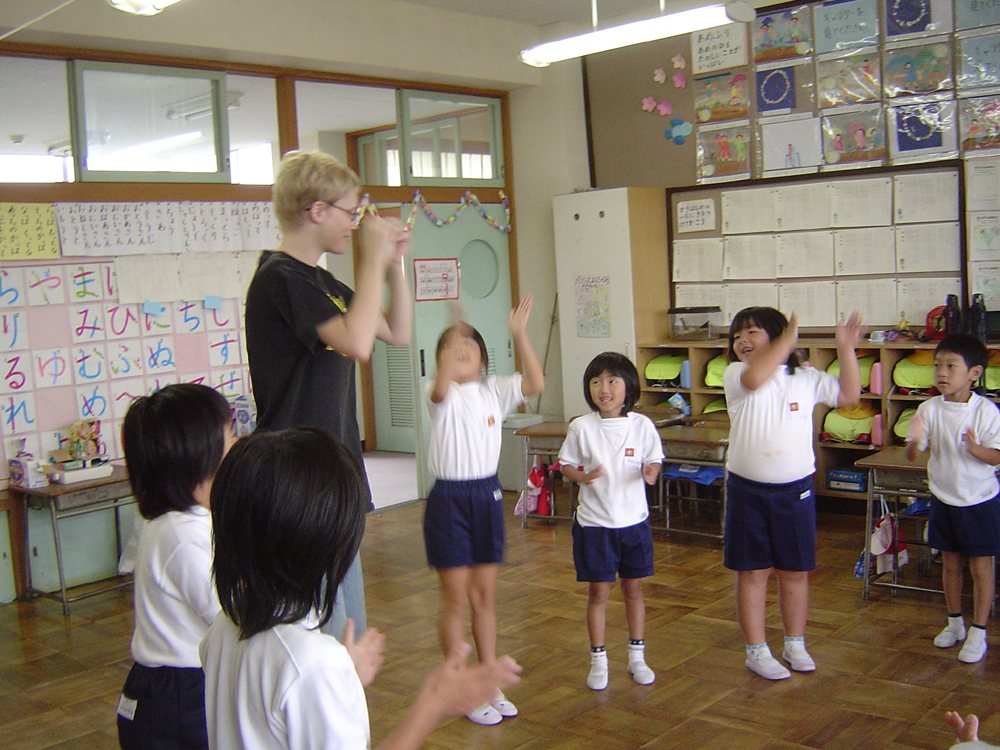
The Role of Music in Elementary Education According to an Expert Teacher
As an elementary music teacher, I have had the privilege of observing firsthand the impact that music education can have on young students. Research has consistently shown that music instruction is not only beneficial for academic development but also has a profound effect on the social and emotional growth of children. In a typical elementary school setting, music education is often seen as an add-on or an elective, but I firmly believe that it is a vital component of a well-rounded education.
Creating a Positive Learning Environment
A well-designed learning environment in the classroom is essential for effective learning. This includes not only the physical space but also the social and emotional atmosphere. As a music teacher, I strive to create a positive and engaging environment that encourages students to participate and explore their creativity. By incorporating music into the curriculum, teachers can help students develop essential skills such as teamwork, communication, and self-expression.
The Benefits of Music Education
The benefits of music education are numerous and well-documented. Research has shown that music instruction can improve cognitive skills, enhance memory and language development, and even boost academic achievement. In Japan, music education is highly valued, with many elementary schools, including minato elementary school, incorporating music into their curriculum. This emphasis on music education has contributed to Japan’s reputation for producing highly educated and culturally aware citizens.
Music Education in Japan
Japan’s approach to music education is unique and highly effective. In many Japanese elementary schools, music instruction is a core subject, with students receiving regular lessons in music theory, history, and performance. This comprehensive approach to music education helps students develop a deep appreciation and understanding of music, which can benefit them throughout their lives. In fact, a study on elementary in japan found that students who received music instruction showed significant improvements in their academic performance and social skills.
Real-World Applications
While music education may seem like an indulgence, it has numerous real-world applications. By learning to play a musical instrument or sing, students can develop essential skills such as discipline, perseverance, and creativity. These skills are not only valuable in the arts but also in other areas of life, such as science, technology, engineering, and math (STEM). In fact, research has shown that students who receive music instruction are more likely to pursue careers in STEM fields.
Conclusion
In conclusion, music education is a vital component of a well-rounded elementary education. By incorporating music into the curriculum, teachers can help students develop essential skills, such as teamwork, communication, and self-expression. Japan’s approach to music education is a model for other countries to follow, with its comprehensive and inclusive approach to music instruction. As an elementary music teacher, I am committed to providing my students with a high-quality music education that will benefit them throughout their lives. Whether it’s learning to play a musical instrument or singing in a chorus, music education has the power to transform young lives and shape the future of our world.
About the Author