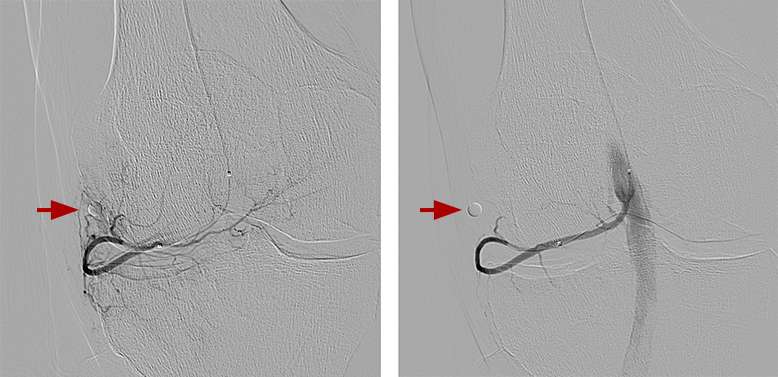
Genicular Artery Embolization (GAE) is an advanced, minimally invasive technique designed to alleviate knee pain, often associated with osteoarthritis. This procedure targets the hypervascularization of the genicular arteries, which are responsible for increased pain signals in the knee area. As a growing alternative to more invasive surgical options, GAE provides a promising solution for patients seeking relief without the extensive recovery period associated with traditional surgeries.
What is Genicular Artery Embolization?
Genicular Artery Embolization is a procedure that involves the selective blockage of small blood vessels supplying the knee, specifically targeting the genicular arteries. This process reduces inflammation and diminishes the sources of pain associated with knee conditions.
Key Benefits of Genicular Artery Embolization
- Minimally Invasive: Unlike knee replacement surgeries, GAE requires only a small incision, reducing the risk of complications and shortening recovery time.
- Effective Pain Relief: Many patients report significant pain reduction shortly after the procedure.
- Quick Recovery: Most individuals can return to their daily activities within a few days.
- Outpatient Procedure: GAE is typically performed on an outpatient basis, allowing patients to go home the same day.
The Procedure Explained
The procedure of Genicular Artery Embolization begins with the patient receiving local anesthesia to numb the area. A small catheter is then inserted into the femoral artery, usually through a tiny incision in the groin. This catheter is guided to the genicular arteries using advanced imaging techniques.
Steps Involved in GAE
- Arterial Mapping: Using fluoroscopy, the physician maps out the genicular arteries that are contributing to the pain.
- Embolization: Tiny particles are injected through the catheter to block these targeted arteries, reducing blood flow and inflammation.
- Post-Procedure Monitoring: After the embolization, patients are monitored briefly before being discharged.
Potential Risks and Considerations
While Genicular Artery Embolization is generally safe, as with any medical procedure, there are potential risks and considerations to keep in mind:
- Allergic Reactions: Some patients may experience allergic reactions to the contrast dye used during imaging.
- Infection: Though rare, there is a risk of infection at the catheter insertion site.
- Non-target Embolization: This can lead to unintended blockage of non-targeted arteries, though careful imaging minimizes this risk.
Conclusion
Genicular Artery Embolization offers a promising alternative to traditional knee surgeries, providing effective pain relief with minimal downtime. As research continues to evolve, GAE stands as a testament to the advancements in minimally invasive procedures, offering hope to those suffering from chronic knee pain. It is important for patients to discuss their options with a healthcare professional to determine the best course of action for their specific condition.
About the Author


